Property and Housing
Introduction
Many homes in Sheffield, especially post-war housing, are ageing, damp, and inefficient. Residents can face fuel poverty, condensation, and cold winters. This can be due to outdated insulation and inefficient heating systems. Retrofitting homes for better energy efficiency, including improved insulation, modern heating, and solar panels, can be complex due to structural limitations and cost constraints. Sheffield is hilly and located on the confluence of five major rivers, and therefore is prone to flooding.
Sheffield faces several interconnected housing and urban design challenges that impact the health, safety, and comfort of its residents. Key issues include damp and mould, low energy performance in older housing, high energy costs, flood vulnerability, and graffiti damage.
These housing and environmental problems are interconnected. Poor insulation contributes to damp and high energy bills; households in deprived areas may be less able to recover from flooding or prevent graffiti damage. Sheffield’s housing diversity, ranging from 19th-century terraces to post-war estates and new developments, complicates uniform solutions. Technical constraints, funding limitations, and unequal capacity across tenures (owner-occupied, social, and private rental) all serve as barriers to widespread improvements. Addressing these challenges requires coordinated policies, investment in retrofit skills and infrastructure, and targeted support for vulnerable residents.
1: Dampness and Mould
Damp and mould are serious issues in Sheffield, especially in older housing with poor insulation and limited heating. The health risks are well known, including respiratory problems, asthma, and worsened conditions for people with existing illnesses.
The problem is particularly severe in the private rented sector, where around 35% of homes fail to meet the Decent Homes Standard, compared to just 13% in social housing [1]. Poor insulation, cold internal walls, and the rising cost of energy all contribute to under-heated homes, creating the perfect environment for damp to take hold.
2: Energy Performance and Housing Efficiency
Energy Performance Certificates (EPCs) assess the efficiency of homes, with a rating of C or above recommended for affordability and sustainability. In Sheffield, only about 40% of homes achieve this rating [2][3].
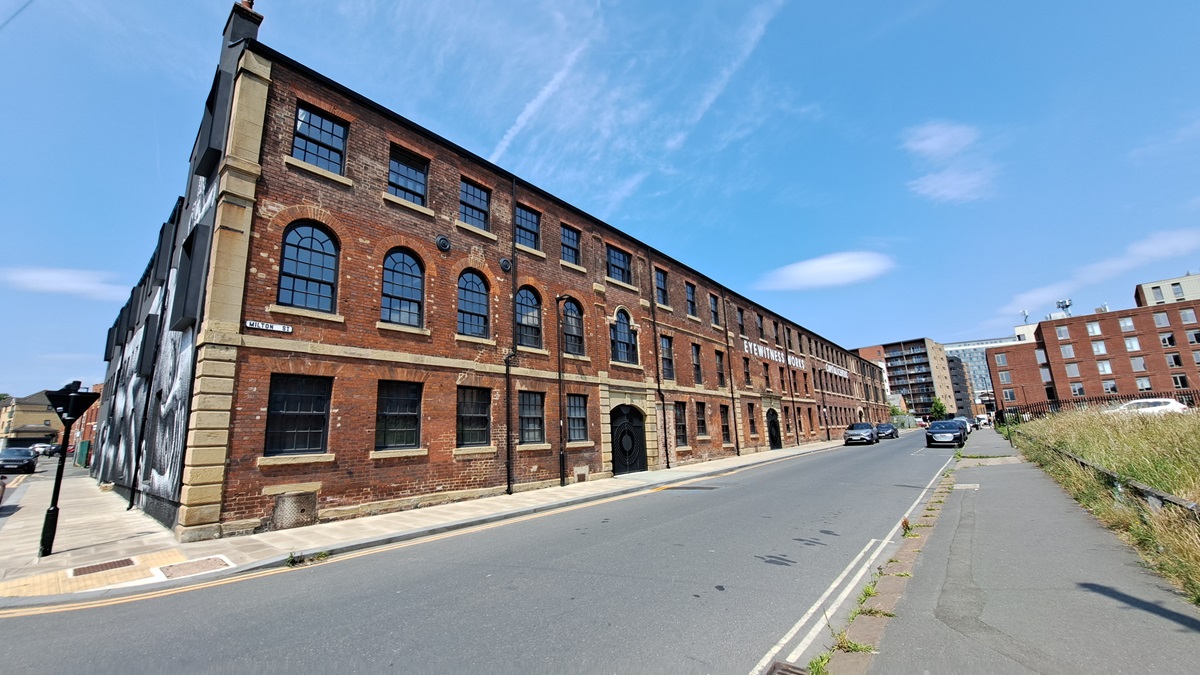
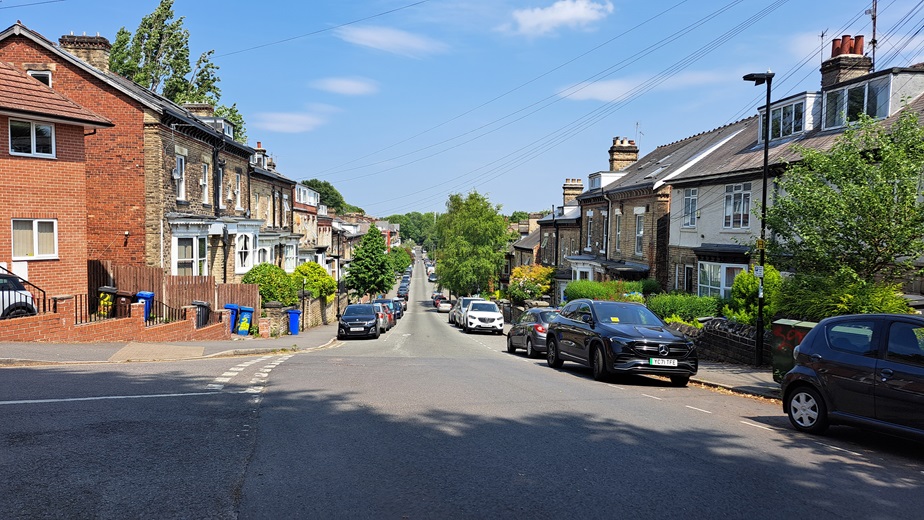
Older housing types, such as solid-wall Victorian terraces and interwar homes, often have poor EPC scores due to structural inefficiencies. Upgrading these properties is technically complex and costly. For instance, internal or external wall insulation can be disruptive and expensive and skilled retrofit workers are needed to deliver energy upgrades at scale. Landlords and homeowners often lack the financial incentive or means to undertake these improvements, despite the availability of limited grant schemes.
3: Insulation and Fuel Poverty
Improving insulation can significantly reduce energy bills. In 2023, an estimated 46,000 households in Sheffield were in fuel poverty [4]. Basic measures such as loft insulation and cavity wall insulation can save households between £90 and £220 per year, depending on property type and heating usage [5].
More comprehensive retrofits provide higher savings but involve substantial initial investment. Insulation also helps reduce condensation and mould by maintaining warmer indoor surfaces. Council-led retrofit initiatives and pilot schemes exist, but currently reach only a small proportion of eligible households.
4: Flooding and Water Resilience
Sheffield is vulnerable to flooding due to its topography and river system. In June 2007, over 1200 homes and 1000 businesses were flooded, mainly in the Don Valley [6]. Areas such as Hillsborough, Attercliffe, and the Don Valley are especially at risk. Surface water flooding during heavy rainfall remains a regular issue, particularly where older drainage infrastructure is insufficient.
In response, the Council and the Environment Agency have invested in large-scale flood defences and upstream natural flood management. For example, the Upper Don Flood Alleviation Scheme, completed in 2023.
5: Graffiti and Property Damage
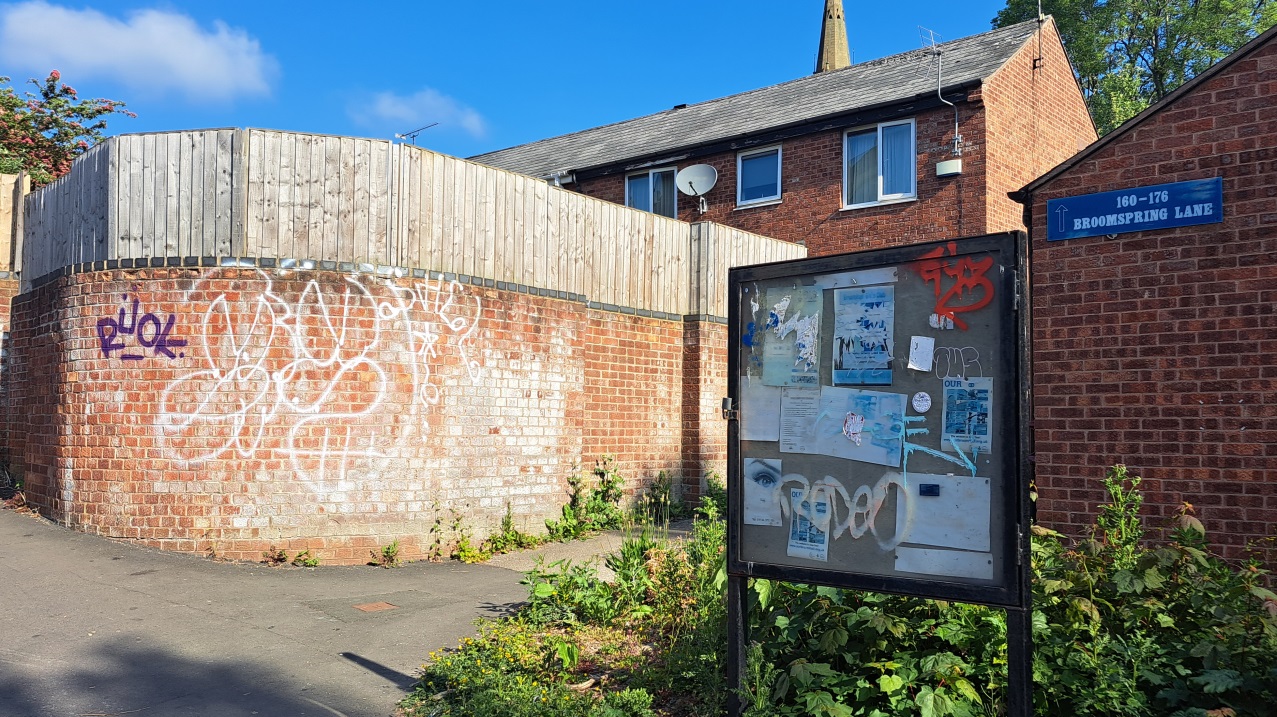
Graffiti is another persistent issue, affecting both the city centre and residential areas. In 2022, Sheffield City Council recorded 344 graffiti reports, with 190 occurring in housing areas [7].
Cleaning graffiti is labour-intensive and costly; the city previously estimated an annual removal cost of approximately £500,000. Some areas, such as Lowedges and London Road, experience repeated vandalism. Anti-graffiti coatings and community mural projects have had some success in reducing recurrence, but coverage is limited. Vandalism is often more prevalent in areas with less surveillance or higher deprivation, where residents may lack the resources to maintain property exteriors.
6: Reducing Embodied Carbon
Sheffield is planning significant housing and infrastructure development over the coming decades, with around 38,000 new homes proposed under the Local Plan. Construction is a major source of carbon emissions, particularly from materials like concrete, steel, and brick. Many of Sheffield's new developments will be built on brownfield land, offering opportunities to rethink how materials are sourced, reused, and assembled.
At the same time, the city's industrial heritage and varied topography present design and logistical challenges. To meet net zero goals, Sheffield must adopt low-carbon construction methods that are scalable, cost-effective, and suited to local conditions.
References
- Department for Levelling Up, Housing and Communities. (2022). English Housing Survey: Headline Report 2021 to 2022 – South Yorkshire Dataset. Read online.
- Department for Business, Energy and Industrial Strategy. (2023). Energy Performance Certificate (EPC) Register Analysis. Read online.
- Hollingworth, R. (2023). Less than half of homes in Sheffield meet recommended energy rating standards. The Star. Read online.
- Department for Energy Security and Net Zero. (2023). Annual Fuel Poverty Statistics. Read online.
- Energy Saving Trust. (2023). Reducing Home Heat Loss: Regional Savings Estimates. Read online.
- Sheffield City Council. (2022). Flood Risk Management Strategy. Read online.
- Ulke, A. (2022). Sheffield's most vandalised streets where council workers must scrub out graffiti. The Star. Read online.