11: Poor Solid Waste Management and Indiscriminate Waste Disposal
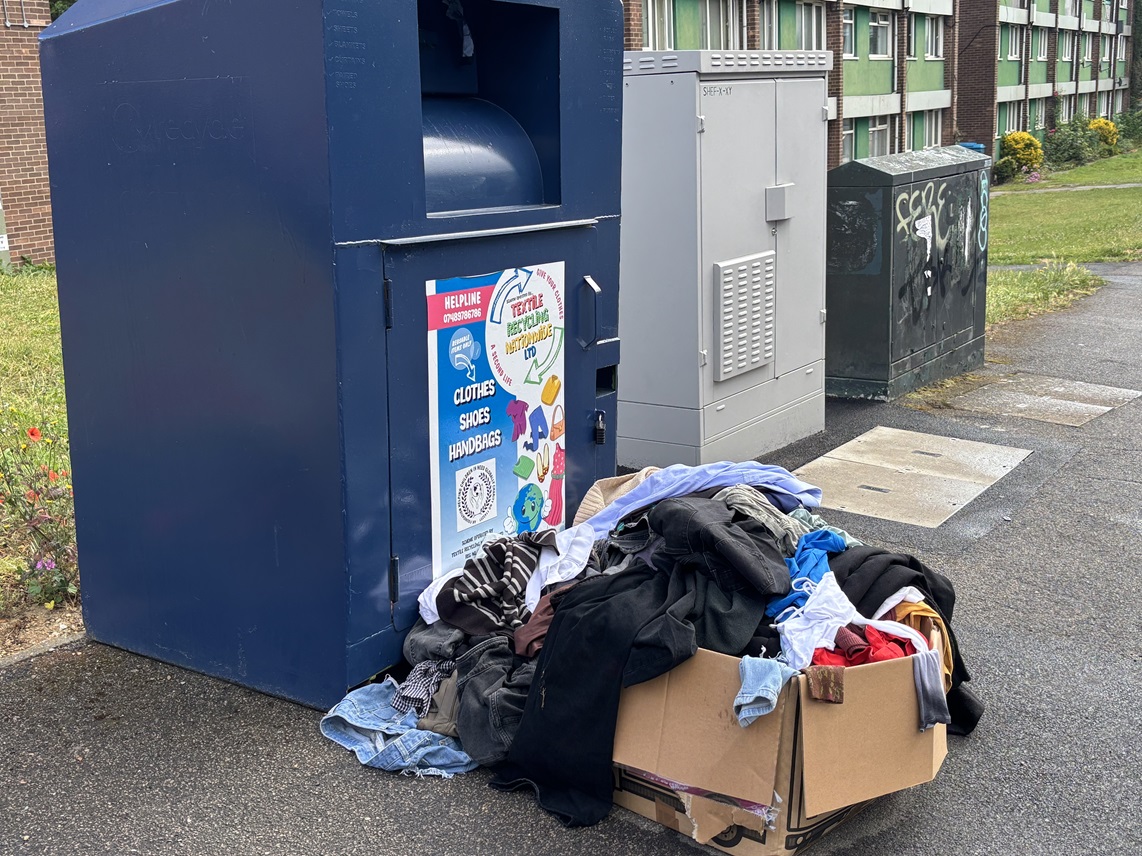
Ayawaso West Municipality continues to face challenges with solid waste management and indiscriminate waste disposal. The Assembly’s Medium-Term Development Plan identifies poor sanitation, inadequate public waste bins, improper waste disposal and insufficient waste-transfer facilities as persistent challenges. These problems contribute to unsanitary surroundings and can worsen environmental and public health risks.
In response, the Assembly has undertaken several sanitation initiatives. On 17 May 2026, it distributed 12 refuse containers to 11 communities and one school, including Accra STEM Academy. However, the Municipal Chief Executive acknowledged that indiscriminate waste disposal remains a major challenge. On 1 July 2026, the Assembly also reported the arrest of two individuals for illegal dumping at Dzorwulu Bus Stop, as part of its sanitation surveillance exercise.
The Assembly’s 2026 Annual Action Plan includes refuse evacuation, drain desilting, monthly community clean-up exercises, the procurement of additional communal waste containers and public education on solid waste management.
12: Air Pollution and Vehicle Emissions
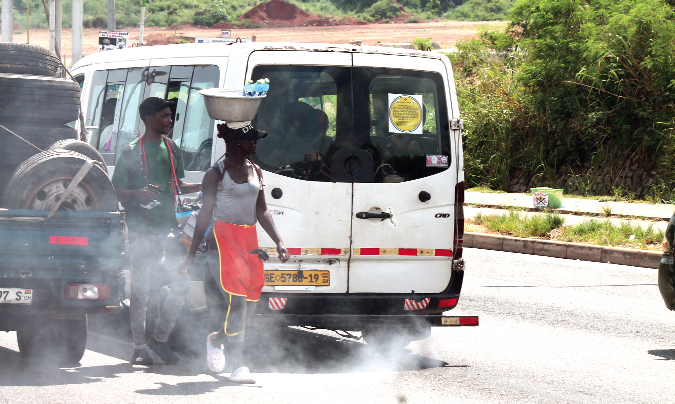
Air pollution is an environmental concern in Ayawaso West Municipality, particularly around busy roads and traffic intersections. The Assembly’s development plan identifies vehicle emissions and exhaust fumes as sources of air pollution. Areas such as Okponglo Junction, Dzorwulu and Tetteh Quarshie Interchange are useful locations for investigating traffic-related air quality.
The Ghana Environmental Protection Authority’s air-quality monitoring dashboard includes monitoring locations at these three areas. Preview readings recorded on 18 September 2026 showed PM₂.₅ concentrations of 25.5 µg/m³ at Okponglo Junction, 25.4 µg/m³ at Dzorwulu Fidelity Bank and 22.9 µg/m³ at Tetteh Quarshie Interchange. Although these readings were below Ghana’s 24-hour standard, they exceeded the WHO 24-hour guideline. These preliminary readings provide an indication of why local air-quality monitoring is important.
13: Water Pollution and Contaminated Drainage Systems
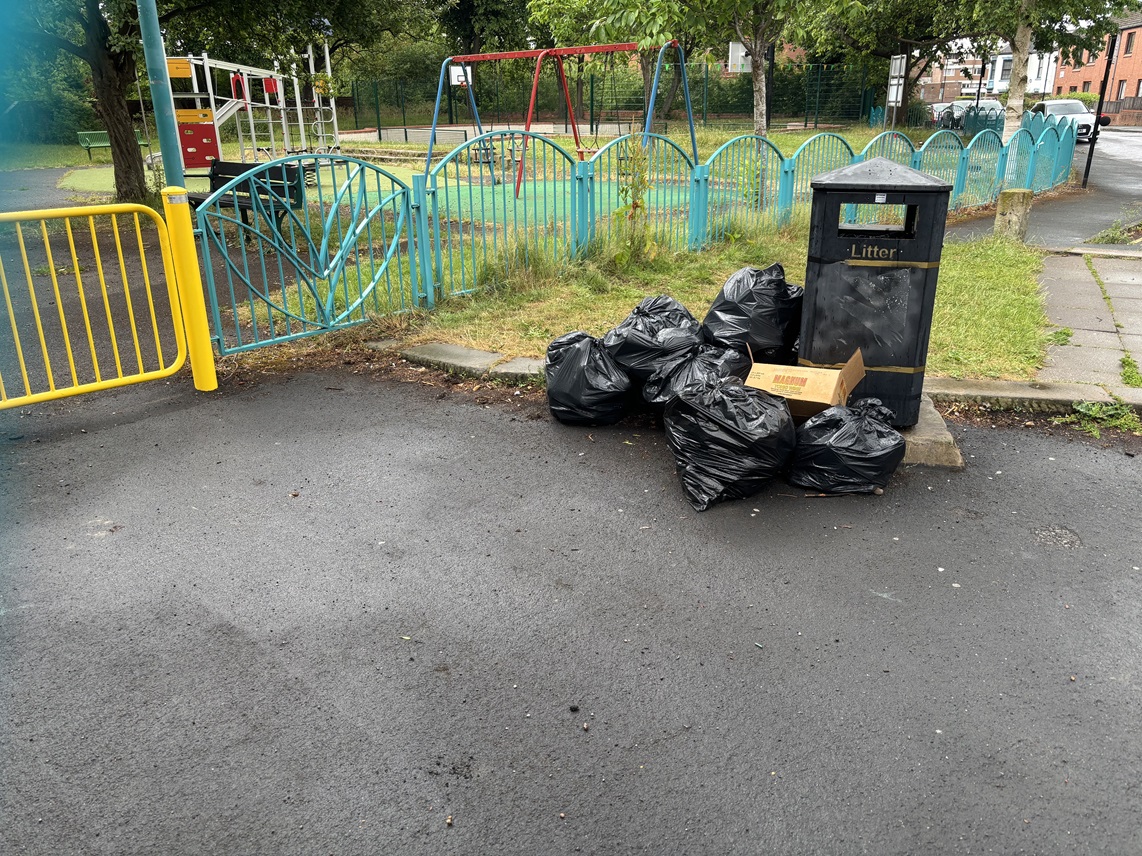
Pollution of drains and water bodies is an environmental concern in Ayawaso West Municipality. The Assembly’s development plan identifies the contamination of water bodies through improperly disposed rubbish and wastewater. Poor wastewater management and indiscriminate disposal of refuse into open drains can contribute to environmental pollution, unpleasant surroundings and the deterioration of water quality.
The municipality’s development documents also identify inadequate major drainage infrastructure as a concern. Historical findings from the Auditor-General’s performance audit on human effluent management highlighted the disposal of human waste into public drains and open spaces in the former Ayawaso West Sub-Metro. Although this evidence is historical, it highlights the need to investigate whether similar wastewater-management challenges persist today.
14: Environmental Noise Pollution and Community Wellbeing
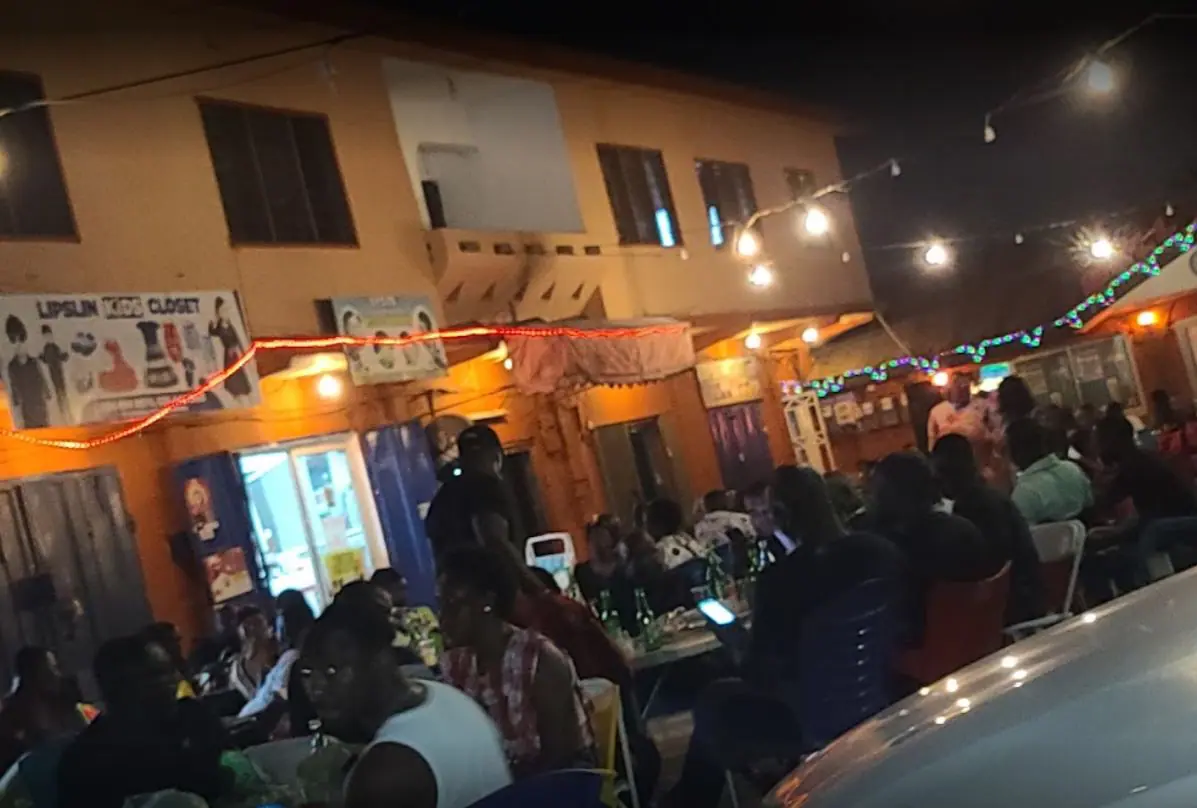
Noise pollution is a recognised environmental concern in Ayawaso West Municipality, particularly in areas where residential communities are located close to churches, pubs, bars, restaurants and entertainment centres. The Assembly’s environmental assessment identifies noise from religious facilities, drinking spots and other entertainment activities as a concern affecting residents’ wellbeing.
During a General Assembly meeting on 30 March 2023, the Municipal Chief Executive specifically raised concerns about noise pollution from pubs and drinking spots, highlighting the need for stronger monitoring and enforcement. The Assembly’s 2026 Annual Action Plan also establishes a target of reducing reported noise-pollution cases by 40% by the end of 2029.
Managing noise pollution can be challenging, particularly where commercial entertainment activities operate close to residential properties and continue into the night.
15: Loss of Green Spaces, Vegetation and Wetlands
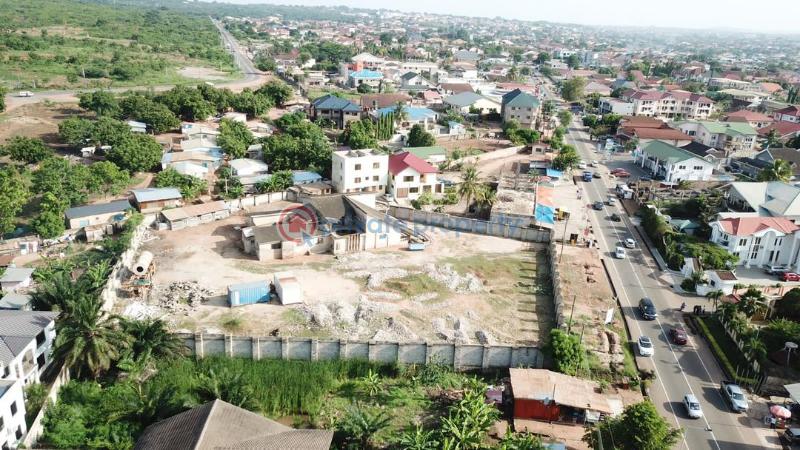
Rapid urbanisation in Ayawaso West Municipality has placed pressure on existing vegetation, green spaces and wetlands. The Assembly’s development plan identifies the loss of vegetation, wetlands and biodiversity as environmental concerns associated with urban development. Encroachment and the conversion of natural spaces for residential and commercial purposes can reduce the environmental benefits these spaces provide.
Green spaces and wetlands play important roles in supporting biodiversity, absorbing rainwater, reducing urban heat and improving the quality of the environment. However, preserving and restoring these spaces in densely developed communities can be difficult where available land is limited and competing development needs exist.
References
- Ayawaso West Municipal Assembly. (2022). Medium-term development plan 2022–2025. https://aywma.gov.gh/documents/AWMA_2022-2025_MTDP.pdf
- Ayawaso West Municipal Assembly. (2023, March 30). AWMA holds the first ordinary meeting of the General Assembly. https://aywma.gov.gh/news-details.php?n=cW5ybjJzNTgzMzZwOHAyNTVvMTYzMnEyNzgzOTcwOG5yMTU1NG9xNw%3D%3D
- Ayawaso West Municipal Assembly. (2025). 2026 composite annual action plan. https://aywma.gov.gh/documents/APPROVED_AWMA_2026_ANNUAL_ACTION_PLAN.pdf
- Ayawaso West Municipal Assembly. (2026, May 17). Ayawaso West Municipal Assembly donates refuse containers to improve sanitation. https://aywma.gov.gh/news-details.php?n=czg3MzFxNTQ0NjM2ODM0cnJxbjA5NDE5MHFwc3M4bzc5NnBuNG85Mw%3D%3D
- Ayawaso West Municipal Assembly. (2026, July 1). AWMA arrested two sanitation offenders for indiscriminate dumping. https://aywma.gov.gh/news-details.php?n=bjJxMDU5c3NuMnFuNnFxNnBwOTVub3AybnJzb3E3M3M0MnFxNjBxMg%3D%3D
- Environmental Protection Authority, Ghana. (n.d.). Ghana Air Quality Data Hub. https://aqdatahub.epa.gov.gh/
- Ghana Standards Authority. (2019). Environment and health protection: Requirements for ambient air quality and point source/stack emissions (GS 1236:2019). https://ghalii.org/akn/gh/act/standard/2019/1236/eng%402019-12-31
- Ghana Standards Authority. (2018). Requirements for ambient noise control (GS 1222:2018).
- World Health Organization. (2021). WHO global air quality guidelines: Particulate matter (PM₂.₅ and PM₁₀), ozone, nitrogen dioxide, sulfur dioxide and carbon monoxide. https://www.who.int/publications/i/item/9789240034228