Introduction
Community infrastructure — including libraries, leisure centres, parks, and green spaces — plays a vital role in public health, social cohesion, and wellbeing. In Sheffield, a city known for its abundant green space and post-industrial transformation, these assets are both a strength and a challenge. While libraries and public buildings provide essential services, they are often underfunded and underused, especially in more deprived neighbourhoods. At the same time, Sheffield’s extensive natural landscape requires careful management to be truly inclusive and accessible to all.
This brief explores the challenges and opportunities around community infrastructure, with a focus on how engineering, architecture, and inclusive design can help create spaces that are flexible, multi-use, and responsive to community needs.
18: Libraries and Leisure Centres: Changing Roles
Libraries and leisure centres have historically been cornerstones of local communities — spaces for learning, health, connection, and culture. However, in recent years, austerity measures have placed many of these services under threat. Between 2010 and 2020, the UK saw the closure of nearly 800 libraries, with local councils forced to make difficult decisions about funding priorities [1].
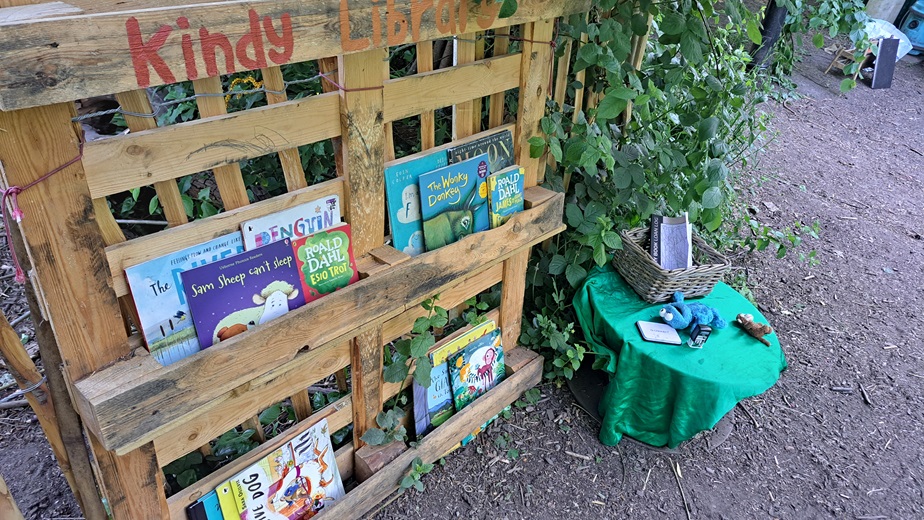
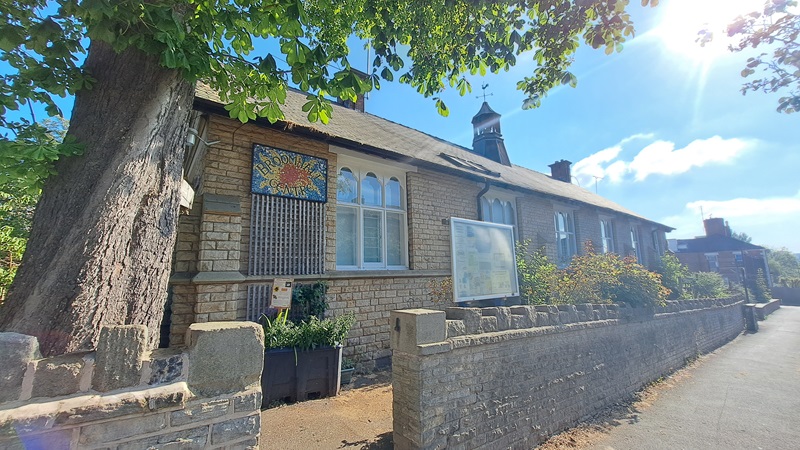
Sheffield has responded with innovative models such as co-managed libraries, where volunteers and local organisations work with the council to keep services running. These spaces have evolved beyond their traditional roles, now offering access to:
- Free Wi-Fi and digital support
- Book lending and literacy programmes
- Warm, safe places during winter
- Advice sessions, workshops, and community events
19: Warm Spaces and Crisis Resilience
With energy costs soaring and many households in fuel poverty, the concept of “warm spaces” has emerged as a vital public service. These are public buildings — such as churches, libraries, or community centres — that open their doors in colder months to offer free, heated, safe spaces.
The low-income areas in Sheffield could particularly benefit from more structured, long-term warm space provision. However, this requires planning, staffing, energy management, and accessibility — and ideally, integration with other services such as health outreach or digital support.
20: Digital Access and Smart Hubs
Digital exclusion remains a significant barrier in Sheffield. Many residents lack basic digital skills, with the issue more pronounced among older adults, disabled residents, and those in social housing.
Libraries and community centres offer a perfect platform for bridging the digital divide, especially when enhanced with appropriate technology and trained staff. These hubs could offer:
- Computers and Wi-Fi
- Device lending schemes
- Digital health check-in services (e.g. NHS apps, GP registration)
- Access to online council and social care systems
21: Green Spaces: A Mixed Blessing
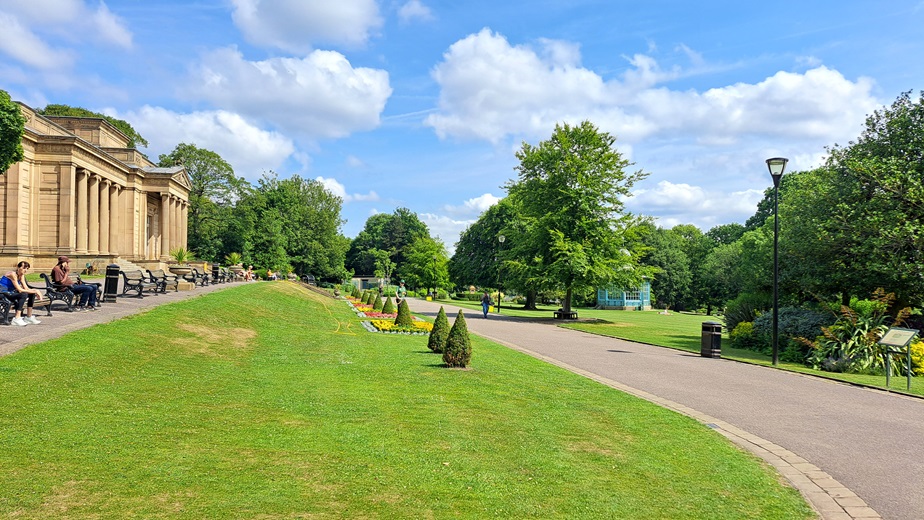
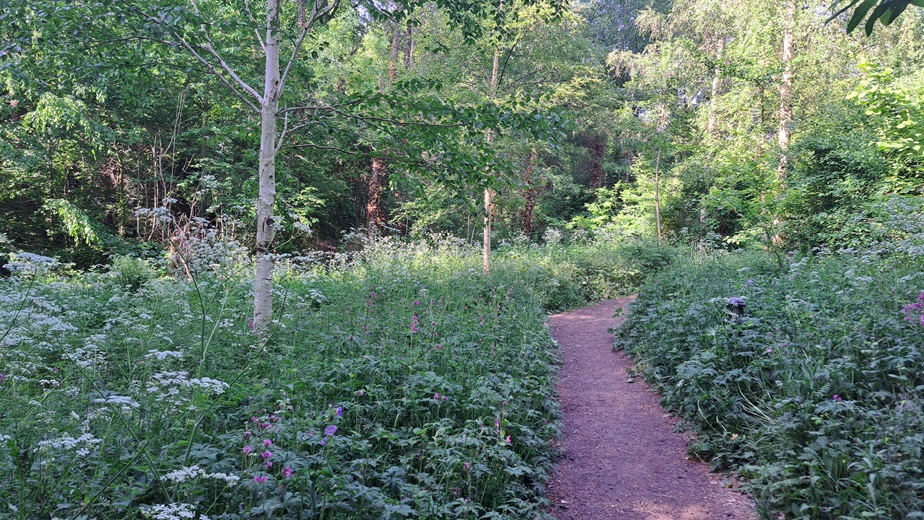
Sheffield is often called "the greenest city in the UK," with over 60% of its land area designated as green space or woodland. The city is home to more than 250 parks, including national trails, local nature reserves, and informal open land.
While this is a huge asset, it also presents complex challenges:
- Some spaces are underused, poorly maintained, or feel unsafe
- Others suffer from overuse, especially during good weather
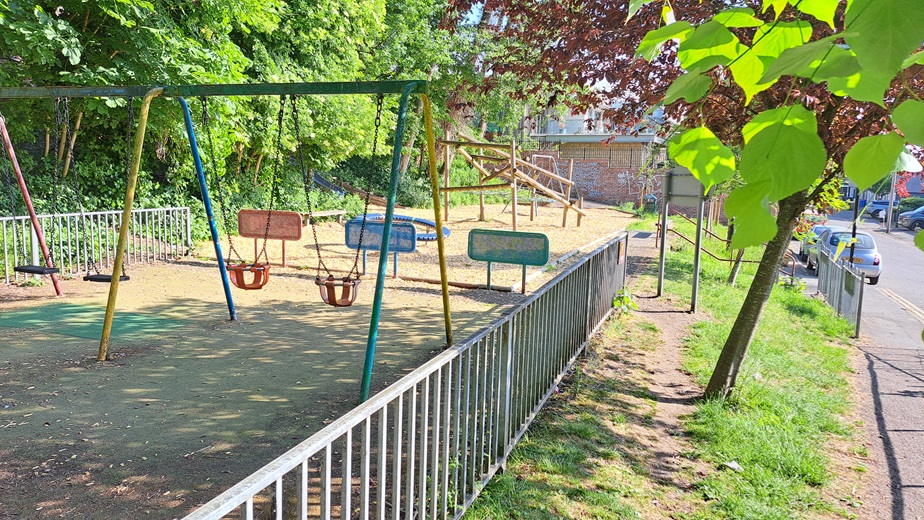
- Management requires balancing biodiversity, play, safety, and access
- Steep hills and uneven paths make access difficult for older people or those with disabilities
Sheffield City Council's Green and Open Space Strategy (2019) outlines goals to protect and enhance green spaces and woodlands, deliver low-maintenance, sustainable improvements, engage local people in design and stewardship, and increase access and inclusivity for all ages and abilities.
22: Reducing Heat Stress in Urban Neighbourhoods
As climate change drives hotter, drier summers, Sheffield is increasingly vulnerable to urban heat stress, especially in densely built areas like the city centre, Burngreave, and parts of Sharrow. The city's industrial past and compact housing mean that many neighbourhoods have limited green space and high levels of hard surfaces, which absorb and retain heat.
Vulnerable groups, such as older adults, young children, and those with health conditions, are particularly at risk during heatwaves. In 2022, Sheffield recorded temperatures nearing 40°C, highlighting the urgency of adaptation. Many homes lack insulation or ventilation, and public spaces offer little shade or cooling.
23: Restoring and Rewilding Sheffield's Post-Industrial Landscape
Sheffield's industrial legacy has left behind numerous brownfield and underused sites, particularly in areas like Attercliffe, the Lower Don Valley, and parts of the Upper Sheaf corridor. These spaces often suffer from soil contamination, poor biodiversity, and limited public access, but they also offer major opportunities for ecological restoration and carbon sequestration.
Community groups and local trusts are already working to rewild riverbanks and green corridors, but many sites remain neglected or fragmented. Restoring these areas could improve air quality, reduce flood risk, and create habitats for wildlife, while also offering green spaces for local communities. However, engineering challenges such as soil remediation, water management, and safe public access must be addressed.
24: Resilient Water Infrastructure During Droughts and Flooding
Sheffield faces growing pressure on its water systems due to climate change, ageing infrastructure, and urban development. The city's steep terrain and combined sewer system make it vulnerable to both drought and flooding. During heavy rainfall, stormwater mixes with sewage, leading to overflows that pollute rivers like the Don and Sheaf. At the same time, hotter, drier summers are increasing the risk of water shortages, especially in high-demand periods.
Yorkshire Water has identified Sheffield as an area of future water stress, and many older homes lack water-efficient fixtures. Engineering solutions are needed to reduce demand, manage stormwater, and improve system resilience.
25: Forest School Nurseries
Forest school nurseries encourage development through hands-on, nature based learning, allowing the freedom to explore and learn from nature. By growing connections with nature we can encourage future generations to continue to care for the world as they grow up.
However, in order to create effective learning environments for a range of early year ages (0-5 years) warm and comfortable inside spaces are needed in addition to the outdoors! As these would be situated in forests and natural landscapes, these inside spaces should be structures that leave no trace on the natural environment when removed.
References
- Flood, A. (2020, December 6). Britain has closed almost 800 libraries since 2010, figures show. The Guardian. Retrieved from https://www.theguardian.com/books/2019/dec/06/britain-has-closed-almost-800-libraries-since-2010-figures-show